
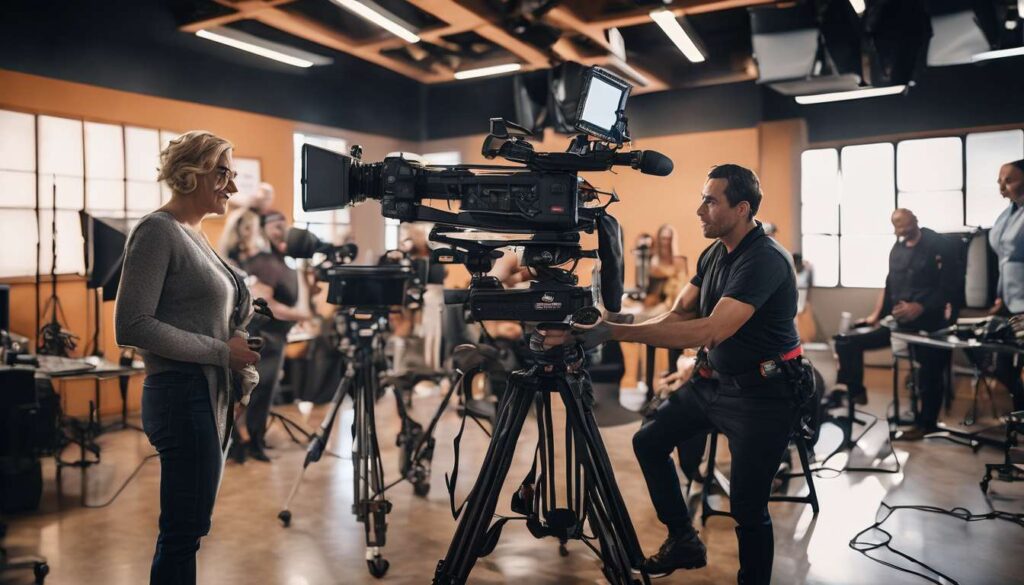
Everyone deserves clarity and safety. Yet the protections available to performers, directors, technicians, and support staff in adult film production vary widely by role.
Visible talent vs. backstage crew
- Performers face risks around consent, testing regimens, and classification (employee vs. contractor).
- Backstage crew—producers, makeup artists, grips, technicians—face distinct legal, health, and financial risks that are often overlooked.
Role-specific impacts of key systems
-
Licensing and employment classification.
- Producers and companies navigate business licenses and labor laws.
- Performers and freelancers must understand how classification affects rights and benefits.
- Crew classification affects access to unemployment, workers’ comp, and taxes.
-
Consent protocols and testing regimens.
- Performers rely on clear consent processes and regular health testing.
- Makeup artists and support staff need hygiene protocols to reduce cross-contamination.
- Production-wide testing and documentation protect both on- and off-camera personnel.
-
Health, safety, and workplace standards.
- Directors and grips manage set safety, physical hazards, and accessibility.
- Tech and lighting crews require training and policies for equipment and rigging safety.
- Mental-health supports and harassment policies are needed across all roles.
Shared responsibilities and where gaps persist
- All stakeholders share obligations to establish clear contracts, reporting mechanisms, and incident response plans.
- Gaps often appear in standardized guidelines for non-performers, inconsistent enforcement, and unequal access to benefits.
Practical protections and actionable steps
-
For companies and producers
- Implement written contracts that specify role, pay, and rights.
- Adopt universal consent and testing policies that include off-camera staff considerations.
- Provide workers’ compensation, safety training, and clear incident reporting.
-
For freelancers and performers
- Confirm classification and contract terms before work.
- Insist on documented consent processes and testing schedules.
- Join or form peer networks for shared resources and advocacy.
-
For advocates and policymakers
- Push for consistent standards covering both on- and off-camera roles.
- Promote accessible health services and anti-retaliation protections.
- Support education programs about rights, safety, and workplace standards.
Goal
By examining role-specific obligations and shared responsibilities, this guide aims to equip companies, freelancers, and advocates with actionable steps to minimize harm, clarify rights, and foster safer, more equitable workplaces across every stage of adult production.
Industry Overview
We work in a niche entertainment sector that blends performance, production, and health-and-safety challenges unique to adult film sets.
Workplace protections across adult movie production roles are essential to preserving dignity for performers, crew, and support staff.
We map common responsibilities and identify the protections each role needs:
- Talent: clear consent protocols, the right to withdraw consent, access to confidential medical resources, and agreed-upon boundaries.
- Directors: enforce consent and safety protocols, maintain transparent communication, and document scene choreography and risk assessments.
- Camera crew: maintain professional conduct, respect privacy, and follow camera positioning and lighting plans that prioritize comfort and safety.
- Makeup and wardrobe: ensure hygiene standards, allergy checks, and respect for performer nudity and bodily autonomy.
- Health coordinators / medical staff: provide on-set testing or triage resources, maintain confidentiality, and advise on safe practices and emergency procedures.
We emphasize collective responsibility:
- Producers must fund and implement safety measures, insurance, and emergency resources.
- Performers must be empowered to pause scenes without penalty and have clear mechanisms to report concerns.
- Crew must be trained to recognize risks, uphold boundaries, and follow incident-reporting procedures.
We acknowledge the sector’s diversity and the need for flexible implementation:
- Independent and studio contexts may require different operational approaches.
- Despite differences, there should be baseline safeguards everyone can rely on: documented procedures, accessible resources, and minimum standards for consent and medical access.
By centering community input, documented procedures, and accessible resources, we make the workplace safer, more inclusive, and more resilient for every person who contributes to production.
Employment Classification
Employment classification determines whether people on set are treated as employees, independent contractors, or freelancers.
This status directly affects rights, protections, pay, and access to benefits.
When classified as employees:
- Minimum wage and overtime protections generally apply.
- Workers’ compensation and employer-provided insurance are typically available.
- Employer responsibility for safety and compliance creates greater stability and shared accountability on set.
When classified as independent contractors or freelancers:
- Greater scheduling flexibility is often possible.
- Loss of many formal workplace protections is common across adult movie production roles.
- Workers bear tax and insurance burdens themselves and have fewer employer obligations for safety or benefits.
Advocate for clear contracts that spell out:
- Duties and scope of work.
- Payment terms, rates, and timelines.
- Safety provisions and access to needed protections.
- Dispute resolution and termination terms.
Build community and strengthen bargaining power by sharing resources:
- Sample contract clauses.
- Experiences with pay disputes and resolutions.
- Contacts for labor advice and legal support.
By staying informed and organized, we improve our collective position and help ensure fairer, safer working conditions for everyone involved.
Consent and Testing
Consent and testing policies must ensure performers give informed, ongoing consent and have reliable, timely STI testing without fear of retaliation.
We prioritize clear consent protocols that are revisited before every scene, use plain language, and document choices so everyone feels respected and included.
- Use plain-language consent scripts explained aloud before scenes.
- Review and reconfirm consent immediately before any new or resumed activity.
- Document choices and limitations in writing so they are visible to relevant personnel.
We make testing accessible, confidential, and timely, coordinating with certified providers to minimize downtime and anxiety.
- Maintain relationships with certified testing providers to ensure quick appointments and results.
- Ensure testing results and medical information are handled confidentially and shared only with authorized parties.
- Provide logistical support (scheduling, transportation, paid time) to reduce barriers to testing.
We protect performers from coercion by separating casting, directing, and health-authorization roles, and by providing neutral advocates to raise concerns without reprisal.
- Separate decision-making roles so no single person can pressure or punish performers for health or consent decisions.
- Appoint on-set neutral advocates or liaisons who can be contacted confidentially.
- Establish anti-retaliation policies and clear consequences for violations.
When someone withdraws consent, we pause and adapt work plans; that boundary is nonnegotiable.
- Immediately pause the scene and any related activity.
- Respect the performer’s decision without question and discuss accommodations or alternatives only when they indicate willingness.
- Document the incident and follow transparent procedures for any necessary follow-up.
Our approach to workplace protections across adult movie production roles includes standardized consent forms, regular training on boundaries, and transparent procedures for reporting and resolving issues.
- Implement standardized, plain-language consent forms for all applicable activities.
- Provide regular, mandatory training for performers, crew, and freelancers on consent, boundaries, and bystander intervention.
- Publish clear reporting channels and timelines for investigating and resolving complaints.
We also commit to equitable access to testing for all role types—performers, crew, and freelancers—so no one feels excluded.
- Include non-performer roles in testing programs where appropriate.
- Offer the same confidentiality protections and logistical support to all personnel.
By centering consent and testing, we strengthen trust, safety, and belonging across every production role.
Set Health Standards
We will define clear, evidence-based on-set health standards—covering hygiene, ventilation, PPE, incident response, and medication access—to protect everyone’s physical and mental wellbeing.
Minimum hygiene protocols:
- Clean linens and laundry procedures.
- Hand‑washing stations placed and stocked where needed.
- Discreet, sanitary waste disposal.
- Routine surface disinfection and cleaning schedules.
Ventilation and air quality:
- Adequate ventilation in all enclosed spaces.
- Active monitoring of air quality where prolonged scenes occur.
- Measures to reduce airborne risks during extended shoots.
Personal protective equipment (PPE):
- Appropriate PPE supplied for tasks and roles.
- Options that respect comfort and performance needs.
- Nonjudgmental, accessible distribution for performers and crew.
Incident response and support:
- An accessible incident response plan with trained first responders.
- Clear reporting pathways and immediate care procedures.
- Confidential follow‑up that centers dignity, mental health, and support.
Medication and allergy access:
- Basic over‑the‑counter medications and allergy treatments available on site.
- Privacy‑respecting systems for prescription needs and medical information.
Policy status and governance:
- These standards are foundational workplace protections across adult movie production roles—not optional extras.
- Regular review of the evidence base and inclusive input from performers, technicians, and health professionals.
- Ongoing commitment to ensure everyone on set feels seen, safe, and respected.
Safety Training Requirements
We’ll require role-specific safety training—covering hygiene protocols, PPE use, de‑escalation, sexual health practices, and emergency response—delivered regularly and documented for all performers and crew.
Training will be inclusive and practical so everyone feels seen and supported while meeting legal and ethical standards.
Sessions will be tailored by role and will address:
- on-set power dynamics
- consent communication
- venue safety
- equipment handling
We’ll schedule refreshers and assessments, keep clear attendance records, and provide materials in accessible formats and preferred languages.
Trainers will be qualified and vetted, and we’ll welcome feedback to improve content.
Reporting pathways and confidentiality measures will be integrated into training so people know how to raise concerns without fear.
By embedding these practices, we strengthen trust and reduce risk across productions.
Our approach to workplace protections across adult movie production roles centers on collective responsibility:
- We train together.
- We document together.
- We protect one another so every person can do their work with dignity and safety.
Contracts and Compensation
We’ll ensure contracts are clear, comprehensive, and fair—detailing scope of work, compensation, rights, health and safety obligations, cancellation and replacement policies, and dispute resolution.
We insist on written agreements that spell out rates, overtime, per-day vs. per-scene pay, and any revenue shares so everyone knows what to expect.
Contracts should include consent parameters, exclusivity terms, and usage rights for distribution and marketing.
We want transparent payment schedules, secure methods, and prompt pay with remedies for late payment.
Confidentiality and privacy clauses must respect personal boundaries while protecting production needs.
Health protections—testing, PPE, on-set medical access—should be contractual obligations, not optional extras.
Cancellation and replacement terms should limit financial and emotional burden, with clear notice periods and compensation for last-minute changes.
By standardizing these elements, we build trust and mutual respect, strengthening workplace protections across adult movie production roles and helping everyone feel valued, safe, and fairly compensated.
Reporting and Enforcement
We will establish clear reporting channels, timelines, and enforcement procedures so cast and crew can raise concerns, file complaints, and receive timely, consistent responses.
Accessible reporting avenues
- Confidential hotlines.
- Designated officers.
- Anonymous digital forms.
We commit to defined response times for acknowledgement, investigation, and resolution, and we will communicate each step to the person who reported the issue.
Impartial enforcement and investigation
- Investigations follow documented protocols.
- Investigators receive training on trauma-informed interviewing.
- Remedial actions are proportional to the severity of findings.
Protections and transparency
- Reporters are protected from retaliation.
- Outcomes are documented transparently while preserving privacy.
- Logs are maintained to identify patterns and prevent repeat harms.
Continuous improvement
- We create predictable, fair enforcement mechanisms.
- We welcome feedback on the process itself to build trust and belonging, ensuring workplace protections are operational for everyone on set.
Policy and Advocacy
We’ll advocate for clear, enforceable policies at company and industry levels to ensure consistent safety, consent, and labor standards across all productions.
We’ll push for written codes of conduct, standardized consent protocols, transparent payment and scheduling terms, and mandatory safety briefings so every team member knows their rights and responsibilities.
We believe policies should be co-created with performers, crew, and advocates to reflect lived experience and build trust.
We’ll support industry-wide certification for productions that meet baseline workplace protections across adult movie production roles, creating a shared mark of accountability that helps workers find safer employers.
We’ll lobby for accessible complaint mechanisms, whistleblower protections, and independent audits so issues get resolved fairly.
We’ll collaborate with unions, health providers, and legal experts to translate advocacy into enforceable laws and collective agreements, including:
- Establishing standardized certification criteria.
- Designing accessible reporting channels.
- Implementing regular independent audits.
- Negotiating collective agreements that enshrine protections.
By working together, we’ll strengthen protections, reduce harm, and foster a more inclusive, respectful community where everyone feels seen, heard, and protected.
How should productions handle post-shoot mental health support and counseling for performers after particularly intense scenes?
We should prioritize aftercare by offering immediate, private debriefs and accessible counseling referrals after intense scenes.
We’ll ensure performers can pause and access on-set mental health professionals or scheduled follow-ups, normalize check-ins, and cover costs.
We’ll coordinate trauma-informed resources, peer support groups, and clear confidentiality protections so everyone feels safe to express needs without stigma.
That way we foster trust, belonging, and sustained wellbeing.
What accommodations are recommended for performers with disabilities or chronic health conditions to ensure equitable participation and safety on set?
We’re asking what accommodations help performers with disabilities or chronic conditions join shoots safely and equally.
We will coordinate access needs, offer flexible scheduling and rest breaks, and provide clear communication about scenes and consent.
We will adapt sets, provide assistive equipment and accessible facilities, and ensure trained support staff are available.
We will keep confidentiality, involve performers in planning, and review accommodations regularly so everyone feels respected and included.
Are there best practices for protecting performers’ digital privacy and personal data (e.g., contact info, medical records, scene footage) held by production companies?
We’re asking how to protect performers’ digital privacy and personal data held by production companies.
Require strict access controls. Limit who can view or modify personal data using role-based access, multi-factor authentication, and least-privilege principles. Regularly review and revoke access when roles change.
Encrypt data at rest and in transit. Use strong, modern encryption standards (e.g., AES-256 for storage, TLS 1.2+ for network transmission) and manage keys securely.
Establish clear consent and data-retention policies. Obtain explicit, informed consent for data collection and use; document purposes and retention periods; notify performers of their rights.
Limit sharing to vetted partners only. Share data externally only with third parties that meet contractual, security, and privacy standards (e.g., processors bound by data-protection agreements and audits).
Anonymize identifiers where possible. Remove or pseudonymize direct identifiers so data can be used for analytics or operations without exposing individual identities.
Store medical records separately with extra safeguards. Treat health information as highly sensitive: apply stricter access controls, additional encryption, and limited handling procedures compliant with applicable health-data laws.
Allow performers to review, correct, and request deletion of their data. Provide straightforward mechanisms for data subject access, rectification, and erasure, and log these requests and outcomes.
Audit access regularly. Maintain detailed access logs, perform periodic audits, and use monitoring/alerting to detect unauthorized access or misuse.
Train staff empathetically about confidentiality and respect. Combine technical controls with regular, scenario-based training that emphasizes privacy, dignity, and the ethical handling of performers’ information.
Conclusion
You’ve learned the essentials to protect yourself across adult production roles: how employment classification shapes your rights, why clear consent and regular testing matter, and what set health standards and safety training should look like.
Contracts should spell out duties and pay, and you need to know reporting routes and enforcement options if standards slip.
Stay informed, assert boundaries, keep documentation, and connect with advocacy groups so you can work safely and with agency.